
Poland
-
Chocilowska, Marta
 Marta Chocilowska
Born: 1950 in Warsaw, Poland
Living in: Warsaw, Poland
Contact the poet
Website: http://www.majorkowo.blogspot.com/Marta Chocilowska is a retired economist, fan of cats, music, poetry and cycling. In 2013 she joined the Warsaw Haiku School - KUZU. Marta is also a founding member and a Treasurer of the Polish Haiku Association, established in February, 2016.
-
Kania, Robert
Robert Kania
Born 1964 in Opole Lubelskie, Poland
Living in Warsaw, Poland
http://bliskomilczenia.blogspot.com
Contact the poet -
Karliński, Wiesław
Wiesław Karliński
(1950 – 2026)
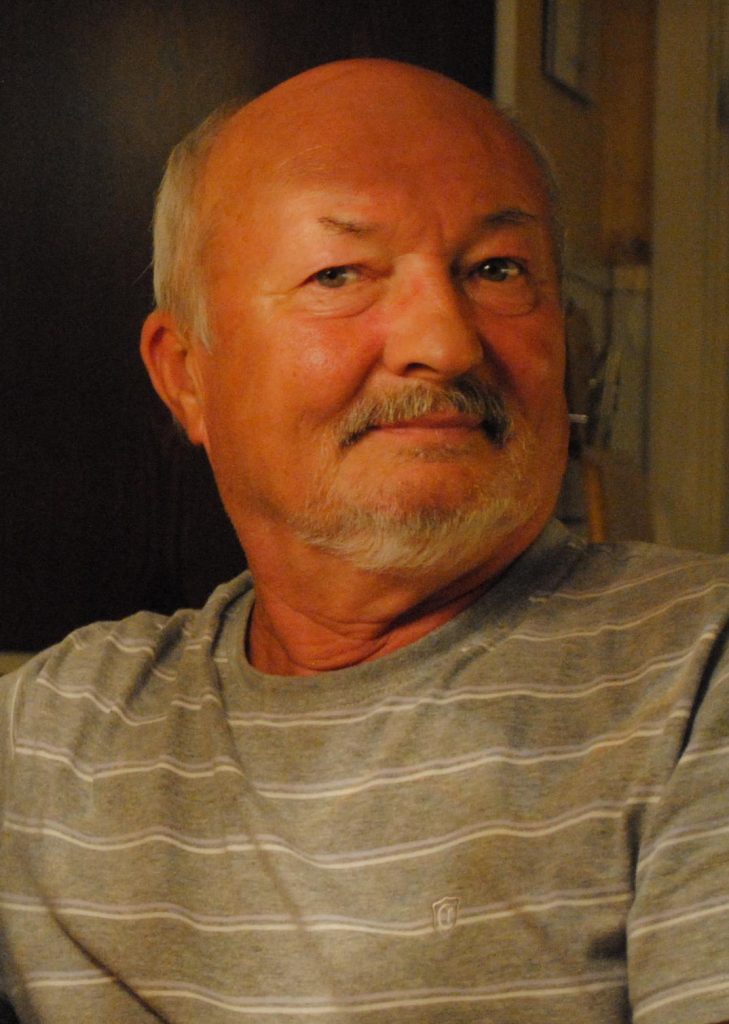 Wiesław Karliński (born 25 June 1950 in Głuszyna, Poland – died 10 January 2026 in Namysłów, Poland) was a Polish teacher, translator, traveller, journalist, and renowned haiku poet, known also under the pen name Wilhelm Karud. A graduate in Russian language and literature from the University of Opole, he spent many years teaching before devoting himself to writing, translation, and travel.
Over the course of his life, Karliński published more than 300 articles in travel and culinary journals, drawing inspiration from the Polish countryside as well as his journeys through Scandinavia, Ukraine, and the Balkans. He combined a passion for culture and nature with precise, imagistic verse that reflected the simplicity and depth characteristic of haiku.
A founding member of the Polish Haiku Association and board member from 2022 to 2025, Karliński played a key role in developing the haiku movement in Poland. His poems and haiga appeared widely in both Polish and international publications, including The Mainichi Haiku in English, Asahi Haikuist Network, Daily Haiga, Enchanted Garden Haiku Journal, Papierowy Żuraw, WHA Haiga Contest, and VSANA. He was also a co‑author of the trilingual anthology Opada Mgła / The Fog is Falling / Der Nebel fällt (2024), written with Krzysztof Kokot.
Karliński achieved broad international recognition as a laureate in numerous contests, among them:
- The Mainichi Haiku Contest (2013),
- Indian Kukai (2015, 2021),
- Caribbean Kigo Kukai (2021),
- The Haiku Foundation Monthly Kukai (2021),
- Polish International Haiku Competition (1st Prize, 2023),
- European Kukai (2013; 3rd place 2023),
- Maya Lyubenova International Haiku Contest (2025),
- Bashō Memorial English Haiku Contest (2025).
He received the Ewa Tomaszewska Poetry Award for the best haiku in Polish (2021) and was shortlisted for the same award in 2018 and 2024. His haiku, tanka, and haiga earned recognition in Polish, Bulgarian, Romanian, Croatian, and Japanese competitions. From 2013 to 2017 and again from 2020 to 2025, he was included eleven times in the prestigious European Top 100 Most Creative Haiku Authors list.
As a juror of the Nysa Poets’ Nights haiku contests and of the 9th National Haiku Competition Wiśnie i Wierzby (Cherry Blossoms and Willows, 2025), he supported new voices in Polish haiku. His later years in Namysłów were filled with literary activity, travel, amateur theatre, photography, and the joy of cooking.
Wiesław Karliński’s poetry continues to reflect the landscapes and quiet observations that inspired him throughout his life — the fields of Poland, the mountains of the Balkans, and the light of the north. His contribution to contemporary haiku in Poland and beyond remains lasting and deeply admired.
Selected work:
willow catkins
in the evening wind
notes of Chopin— Honorable mention, The 16th Mainichi Haiku Contest, 2013
*
half of February –
old northern birch
slopes to the South— Honorable mention, Diogen, Winter Haiku, 2013
*
short Siberian summer
a haste of plants and bees
time is honey— Third place, European Quarterly Kukai, 2nd Edition, 2013
*
lazy afternoon
unpunished mosquito
on my foot— The Mainichi,June 11, 2014
*
lot czapli—
szare parabole
na ścianie lasuheron’s flight—
grey parabolas
on the forest wall— Haiku Anthology, Second International Haiku Conference, Kraków 2015
*
a harvest soon
miller’s wife washes
white shirts— The Mainichi, July 18, 2015
*
autumn in the field
under a pumpkin leaf
children’s ball— Second prize, The 11th Pumpkin Festival Haiku Contest, Croatia, 2015
*
return
so much fruit
on the cherry tree— Winner, The 13th Polish International Haiku Competition, 2023
*
ptasi śpiew
milknie na chwilę
siekiera drwala
birdsong
falls silent for a moment
woodcutter’s axe— 四季+ / Seasons+ / Pory Roku +, Third International Haiku Conference, Kraków 2024; Cold Moon Haiku Journal, April 17, 2024
*
wczesna jesień
bogata w kolory
moja ścieżka
early autumn
rich in colors
my path— Second place, Third International Haiku Conference contest, Kraków 2024
*
wkrótce żniwa
wszystkie strachy na wróble
w mundurach wrogaalmost harvest time
all the scarecrows
in enemy uniforms— Ptaki Wędrowne 6 / Migratory Birds 6, 2025; The Mainichi, January 14, 2023
*
para gołębi
na parkowej ławeczce
otwarte szachya pair of pigeons
on a park bench
open chessboard— Ptaki Wędrowne 6 / Migratory Birds 6, 2025; Stardust Haiku Journal, February, 2023
With deep gratitude to Robert Kania, Marta Chociłowska, and Krzysztof Kokot for providing invaluable information about Wiesław Karliński.
Sources:
- https://psh.org.pl/polscylaureacikonkursow/
- https://psh.org.pl/2026/01/zmarl-wieslaw-karlinski/
- https://haikupedia.org/article-haikupedia/wieslaw-karlinski/
- https://thehaikufoundation.org/poet-details/?IDclient=1715
- https://www.dailyhaiga.org/haiga-archives/?c=karlinski-wieslaw
- https://www.asahi.com/ajw/articles/15675210
- https://fallingpoems826143061.wordpress.com/the-poets-2/
- https://www.asahi.com/ajw/articles/15910144
- https://salonliteracki.pl/new/zakatek-haiku/1591-wieslaw-karlinski
- https://psh.org.pl/aktualna-lista-czlonkow/wieslaw-karlinski/
-
Kozubek, Marek
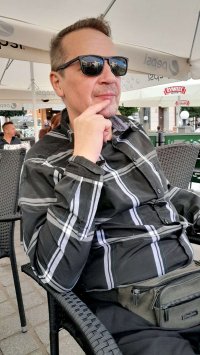 Marek Kozubek
Born; 1970 in Zywiec, Poland
Resides in Żywiec, Poland, and Bangkok, Thailand.His haiku poems have been published in The Mainichi, Asahi Haikuist Network, Haikuniverse, Autumn Moon Haiku Journal, Sol Magazine, The World Haiku Review, Whirligig, Failed Haiku, The Red Moon Anthology of English-Language Haiku, and Leaf – The laureate of international haiku contests
-
Mazurkiewicz, Anna
Anna Mazurkiewicz
Born 1978 in Chelm, Poland
Living in Chelm, Poland
http://www.haikuje.blogspot.com/ -
Savich, Agnes Eva
Agnes Eva Savich
Born 1976 in Krakow, Poland
Living in Austin, Texas, USA
Agnes Eva Savich has been writing haiku since 2003. A featured Southwestern Haijin in Roadrunner Haiku Journal (2006), she continues to be published in haiku journals, and has an early collection of poetry, The Watcher: Poems (Cedar Leaf Press, 2009).
https://agnesevasavich.wordpress.com
Contact the poet -
Sawicki, Gabriel
Gabriel Sawicki
Born 1983 in Wroclaw, Poland
Living in Wroclaw, Poland -
Sibiga, Slawa
Sława Sibiga
(1950 – 2025)
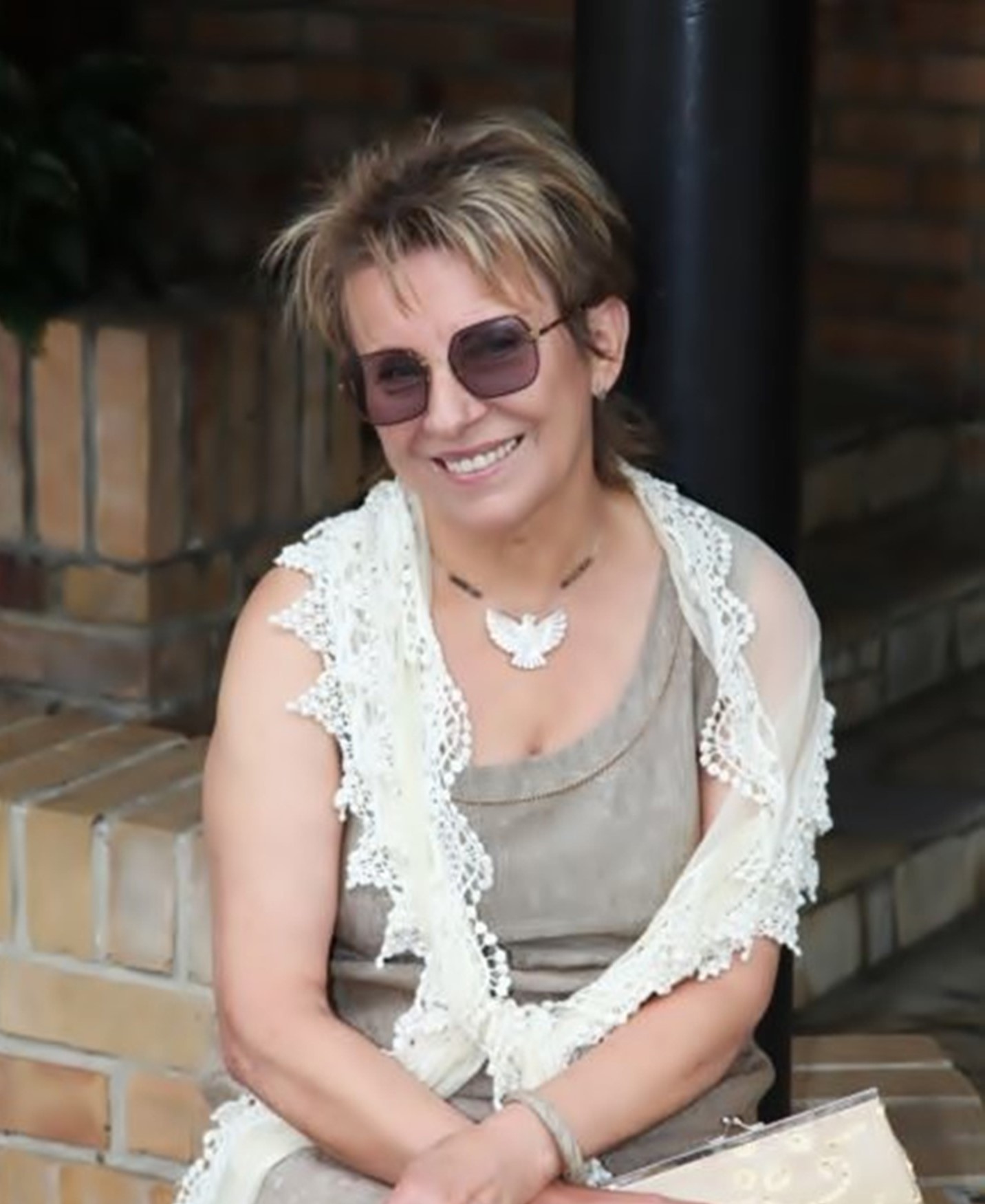 Sława Sibiga was a distinguished Polish poet, haiku author, sumi-e painter, haiga creator, children’s book author, and craft artist. Born in 1950 in Rozkosz, near the Bug River valley, she trained as a nurse before settling in Tychy, southern Poland, in 1985. A profound lover of nature, she drew inspiration primarily from Lake Paprocańskie, infusing her multifaceted creations with joy and a deep commitment to sharing her art with others.
Sibiga played a pivotal role in Poland’s haiku community. She chaired the jury for nine editions of the National Wakai Haiku Contest in Tychy and coordinated the haiku meeting at the VI Slavic Poetry Festival (2018). She participated in the II and III International Haiku Conferences in Kraków (2015, 2024) and was a founding member of the Polish Haiku Society (established 2015).
Literary Output
Sibiga authored nine poetry volumes, four dedicated to haiku:
- Wędrując pomiędzy myślami (Wandering Between Thoughts, 2008, debut);
- Skrzydła (Wings, 2009);
- Sen o Japonii. Haiku (Dream of Japan: Haiku, 2016);
- W każdym drzewie noc (Night in Every Tree, 2016);
- Zatańcz ze mną na czubkach sosen (Dance with Me on Pine Tips, 2017);
- Ślad na księżycu / Trace on the Moon. Haiku(2018, Polish-English);
- Ślad na księżycu / Spur auf dem Mond. Haiku (2019, Polish-German);
- Kształt wiatru/ The Shape of the Wind (2020, Polish-English);
- Róże o zmierzchu /Roses at Dusk (2023, Polish-English).
She co-authored fifteen haiku anthologies, including three international ones: Anthology of the II International Haiku Conference, Kraków 2015 (Kontekst, 2015), To Live Here (The Wee Sparrow Poetry Press, 2023), and 四季+ / Seasons+ / Pory roku+ (issa BOOKS, 2024).
Her children’s books include Dwie Myszy czyli wierszyki dla Psoty i Niki (Two Mice, or Poems for Psota and Nika,2011), Dwie Myszy czyli harce szkolnej Psoty (Two Mice, or School Shenanigans of Psota, 2014), and co-authored: Przygody Małej Amelki (Adventures of Little Amelka, 2014) and Czytanie na drugie śniadanie(Reading for Second Breakfast, 2016).
Publications and Recognition
Her work appeared in Lamelli, Nasze Sprawy, Przekrój, Haiku Port Quarterly, The Heron’s Nest, Modern Haiku, cattails, and Under the Basho, with haiga featured on DailyHaiga and Failed Haiku. She was a regular contributor to Ptaki wędrowne / Migratory Birds (the Polish Haiku Association Almanacs) and other Polish anthologies incl. Nieobecność. Absence. Antologia polskiego haiku funeralnego (Poznań 2021) and Dajmy grać świerszczom. Antologia haiku o zwierzętach (Poznań 2013). Her poems were aired on Polish Radio Katowice and Koszalin. Her awards include nominations for the Ewa Tomaszewska Poetry Award (2018, 2022) and wins in national contests like ‘Wiśnie i wierzby’ (Cherry Blossoms and Willows, 2021, 2022, 2024) and the Polish International Haiku Competition (2023).
Visual and Craft Arts
Two sumi-e paintings earned distinctions at the 2022 Art Beyond Borders exhibition (Tokyo National Museum of New Art); and she held solo shows „Sen o Japonii” (Dream of Japan) and „Mała Japonia” (Little Japan) in Tychy (2022). Her thread-crafted angels graced exhibitions, charitable events, and global private collections.
Sibiga’s warmth, artistry, and enduring influence as a friend and creator left an indelible mark, mourned widely upon her passing on 26 November 2025.
Selected work:
mój stary dom
pierwsze płatki śniegu
spadają w ciszymy old house
first snowflakes
falling in silence
—Skrzydła, wyd. Okręgowa Izba, Pielęgniarek i Położnych, Katowice, 2009; (Almanach nr 1)*
upał
na progu domu resztki
cieniaheat
on the house threshold
remains of shade—Pory roku w polskim haiku, Wydawnictwo Kontekst, Poznań 2015
*
nasza ławeczka—
jego imię
ledwie widoczneLover’s bench—
his initials
hardly visible—Haiku Anthology, Second International Haiku Conference, Kraków 2015
*
kwitnąca wiśnia
stary ogrodnik zdejmuje
kapeluszcherry blossoms
the old gardener
takes off his hat—Sen o Japonii. Haiku, Wydawnictwo Kontekst, Poznań 2016
*
ciepły wiatr
na suchym źdźble trawy
huśta się ważkawarm wind
on a dry blade of grass
a damselfly swingspłatki śniegu
zapisuję pędzelkiem
każdy ruchsnowflakes
I note down each movement
with a fine brush—(Almanach nr 3)
*
frost
a new sound
of the wind—Commendation at the 13th Polish International Haiku Competition (PIHC), 2023
*
globalne ocieplenie
nieliczne kwiaty
zakwitająglobal warming
few flowers
bloom—四季+ / Seasons+ / Pory Roku +, Third International Haiku Conference, Kraków 2024
*
The Asahi Shimbun (Asahi Haikuist Network, the David McMurray’s column):
black on white
on the first sumi-e
dragon’s mark—(March 15, 2024)
global warming
an old man tells a story
of winter—(January 17, 2025)
trails of rain--
why is this autumn
so quiet—(November 7, 2025)
With deep gratitude to Marta Chociłowska and Robert Kania for providing invaluable information about Sława Sibiga.
Sources:
- https://psh.org.pl/aktualna-lista-czlonkow/slawa-sibiga/
- https://www.dailyhaiga.org/haiga-archives/?c=sibiga-slawa
- https://underthebasho.com/the-journal/under-the-basho-2025/haiga-and-visual-haiku/slawa-sibiga.html
- https://failedhaiku.com/wp-content/uploads/2025/08/failed-haiku-issue-111-haiga.pdf
- https://www.tychy.info/wiadomosci/26438-zmarla-slawa-sibiga-poetka-malarka-i-autorka-ksiazek-dla-dzieci-tychy
- https://contemporaryhaibunonline.com/table-of-contents-21-3/haiga-21-3/haiga-gallery-21-3/
- https://www.modernhaiku.org/issue56-1/haiga.html
-
Szeglowski, Lech
 Lech Szeglowski
Born 1959 in Gdansk, Poland
Studied Polish Philology and Postgraduate Studies of Speech Therapy at the University of Gdansk. He has been reading Japanese genre poetry since the late 1980s and writing haiku since the early 2000s. Rarely published, but his haiku in English have received several awards and appeared in various magazines and anthologies.
http://haikuwordlech.blogspot.com/
http://lechaiku.blogspot.com/
-
Szewczyk, Irena Iris
 Irena Iris Szewczyk
Born in Warsaw, Poland
Living in Warsaw, PolandPhilologist and photographer has been creating haiku and haiga since 2011. Her works were awarded in contests and published in magazines, reviews and anthologies around the world. A title-holder of the World Haiga Association Master Haiga Artist. The author of the bilingual haiku book entitled „drugi brzeg/the other shore” containing her poems, photographs and haiga. One of founding members and a former board member of the Polish Haiku Association.
Blog (http://iris-haiku.blogspot.com/)
-
Tomaszewska, Ewa
Ewa Tomaszewska (1957 - 2013)
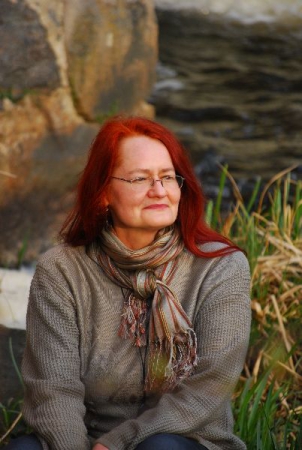 Ewa Tomaszewska was a poet, translator and essayist with quite a score of titles to her name. One of her greatest passions was haiku and her strongest inspiration was Polish romantic poetry and Catholic faith.
At the beginning of 21st century she edited the first national anthology of Polish haiku “Antologia polskiego haiku” (Anthology of Polish Haiku, 2001) including a very important preface about Japanese Culture and its influence on Polish literature and art. The anthology proved to be a crucial source of information on the history of haiku in Poland and showcased more than six hundred haiku and haiku-like poems by nearly eighty Polish authors spanning over ninety-six years (1905 to 2001).
In 1993 Ewa Tomaszewska also compiled and translated Antologia kanadyjskiego haiku (An
Anthology of Canadian Haiku) and later on, one of European haiku. She also published some of her own work (the first one in 1981) in English in international journals; a beautiful essay on Chinese ink painting included in Studnia zakryta kamieniem (The Well Covered With Stone), Miniatura, Kraków 2000; a bilingual haiku anthology "Raising the moonlight" (2003) as well as a bilingual volume (Polish and English) of her own work: Jeszcze dzień błyszczy (the day still shining. HAIKU), Miniatura, Kraków 2005.
When Ewa died on 12 December 2013 the world of haiku lost an unforgettable poet and a very passionate writer who did a great deal to promote haiku both nationally and internationally.
Ewa’s Publications:
- Pocałunek księcia nocy (The Kiss of Night Prince), MAW, Warszawa 1988;
- Haiku Seminar, Chojnów, Ewa’s lecture: Japanese Inspiration in European Culture and Arts, 24 of October 1998;
- Podzielona róża (Divided Rose), W drodze, Poznań 1999;
- Studnia zakryta kamieniem (The Well Covered With Stone), Miniatura, Kraków 2000;
- Antologia polskiego haiku (The Polish Haiku Anthology), Nozomi, Warszawa 2001;
- Jeszcze dzień błyszczy (the day still shining. HAIKU), Miniatura, Kraków 2005;
- Gwiazda za gwiazdą. Antologia haiku europejskiego (Star By Star. European Haiku Anthology), editors and translators: Piotr W. Lorkowski, Ewa Tomaszewska with preface by Max Verhart, with cooperation of Leszek Engelking and Others, Miniatura, Kraków 2005;
- Czas i obecność. Wiersze wybrane (Time and Presence. Selected Poems), Miniatura, Kraków 2007;
- 100 Classical Haiku by Yuzuru Miura in Ewa’s translation, Miniatura, Kraków 2010;
- Zwoje podróżne. Haibun (The Journey Scrolls. Haibun), Miniatura, Kraków 2012;
- Ewa’s 9 Haiku in Whirligig, Multilingual Haiku Journal with the note by Max Verhart (Vol. V-2 November 2014), Netherlands.
Selected haiku:
Garden seed
missed by the birds
just now germinatesA swallow flies out
from the entrance to a crypt –
ruins of KnossosChilly courtyard
bluebottles banister and a scarf
take leave of menights rains pour
upon my windowsill –
the play of the windthe poet's wages:
a night of solitude and
a glint of moonbaby bottle nipple
lost on the street –
the milky riverdistant monastery:
above the frozen river
the white wings(All of Ewa's haiku above are from "the day still shining. haiku", by Ewa Tomaszewska, published by Miniatura, 2005, ISBN 83-7081-733-5.)
Most information for this profile has been kindly provided by Agnieszka Żuławska-Umeda and Marta Chociłowska and we are very grateful for their time and dedication!
Sources:
- http://www.doziemiobiecanej.pl/notka/632/do-domu-ojca-odeszla-sp-ewa-tomaszewska/
- http://www.poezija.com.pl/index.php/aktualnoci/854-trzy-polskie-antologie-haiku-z-ostatnich-lat
- https://www.thehaikufoundation.org/omeka/files/original/2d1f2e211eebc8663224b0edc07f4886.pdf
- http://haiku.nl/vuursteen-2014/
- Whirligig, Vol. V-2, Nov., 2014 – Max Verhart’s note, p.28
- Blithe Spirit 28.1, Journal of the British Haiku Society, 2018 – “Focus on Haiku in Poland” by Rafał Zabratyński, Agnieszka Żuławska-Umeda and Marta Chociłowska
-
Tomczak, Maria
Maria Tomczak
Living in Opole, Poland
http://www.poesi-haiku.blogspot.com
Contact the poet -
Wit, Ernest
 Ernest Wit
Born: 1961, Poland
Resides: Poland
Blog: http://withaiku.blogspot.comErnest Wit is an award-winning Polish author whose work appears regularly in the best English-language haiku magazines and anthologies around the world.
Books Published:
Bitter Wind (Kontekst Publishing House, Poznan, 2015);
Black and White (Red Moon Press, Winchester VA, 2016).